
Case Study: A Japan-Based Labor Law Firm
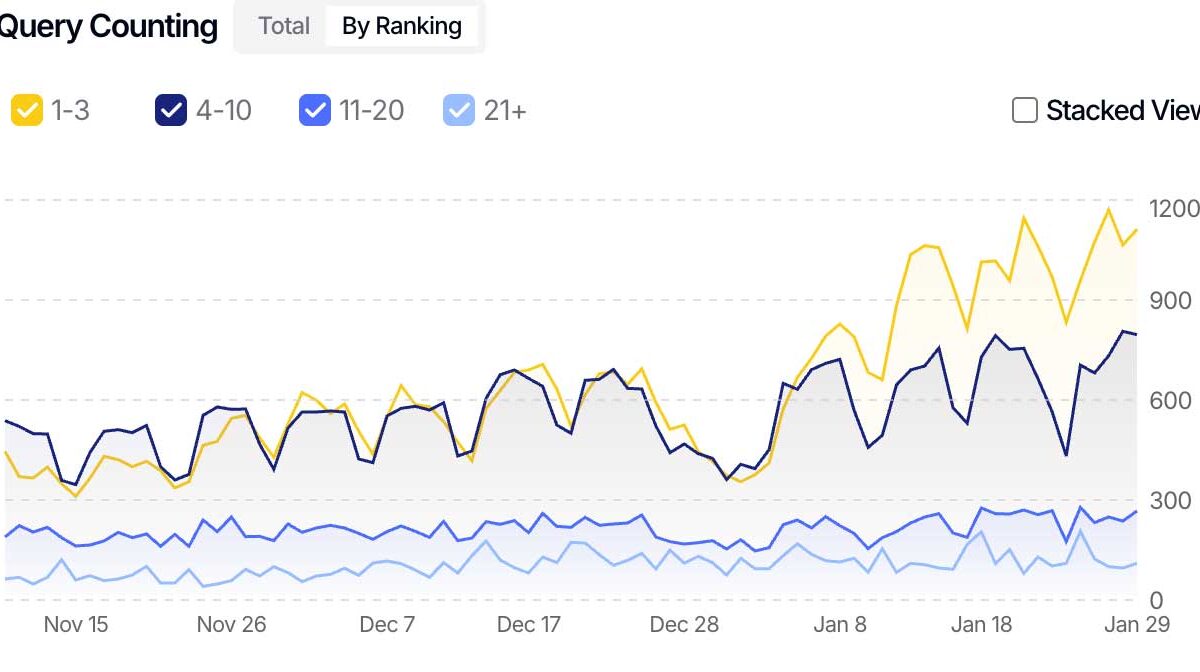
A Japan-based employment law firm implemented AI Visibility Guard (AIVG) across their site. Within two months, organic clicks and impressions both doubled—without publishing a single new article.
The key? Systematically capturing the “next questions” users search after reading each page.
The starting point: already winning, but still leaving traffic on the table
This firm had done the hard work.
Years of investment in a content library. Accurate, well-structured articles. Clear expertise. For many long-tail queries—the specific, “I need an answer now” searches that real people type—they consistently held top positions, often #1–#3.
So why change anything?
Because even a site that “wins the long tail” still loses an invisible game every day: the questions it never explicitly answers.
And in modern search, that gap matters more than ever.
The invisible gap: query fan-out
A user rarely searches just one question. They search a cluster.
They start with a core topic, then branch into follow-ups:
- “How much does this cost?”
- “Can I handle this myself?”
- “What should I prepare first?”
- “What happens if I do nothing?”
- “When should I talk to a professional?”
Google calls this “query fan-out”—a single intent expanding into multiple adjacent questions, each with its own search demand.
The firm’s pages were strong on the main topic. But the follow-up questions—the ones that capture additional impressions, clicks, and qualified traffic—were not systematically addressed on-page.
Not because the firm didn’t know the answers.
Because maintaining that layer manually—across hundreds of pages—doesn’t scale.
The solution: AI Visibility Guard (AIVG)
The goal wasn’t to rewrite content. It was to add a scalable layer that:
- Extracts likely questions from each page
- Generates short, direct answers grounded in the page content
- Publishes those FAQs consistently—at scale
- Adds FAQPage structured data so search engines can interpret Q&A clearly
With AIVG, the firm deployed sitewide, fully automated FAQ generation in one go—with no manual per-page work.
What it looks like in practice
To make this tangible, here’s the kind of FAQ layer AIVG generates for a typical employment law page. These aren’t “SEO filler”—they map to the next questions users search after reading the main content.
Page topic: Non-Compete Agreements After Employment Ends
This is the coverage gap many strong sites still have: pages rank highly for core queries but miss the adjacent questions users search next.
Guardrails: avoiding “FAQ spam”
When people hear “automated FAQs,” they often assume one of two extremes: a thin list of repetitive questions, or a bloated block that weakens the page.
Neither works—especially on a law firm site where credibility matters.
The rollout followed three guardrails:
1. Questions must be grounded in the page.
If the page doesn’t cover the concept, the question doesn’t belong. The FAQ layer should feel like a structured extension of what’s already there.
2. Answers must be short and decision-oriented.
Fan-out queries are “next-step” questions. The best answers are brief, practical, and written for fast clarity.
3. Use include/exclude controls strategically.
Not every page benefits equally from FAQs. The firm excluded areas where FAQ blocks would be redundant or off-brand, while keeping automation active where it made sense.
Results
Implementation date: November 24, 2025
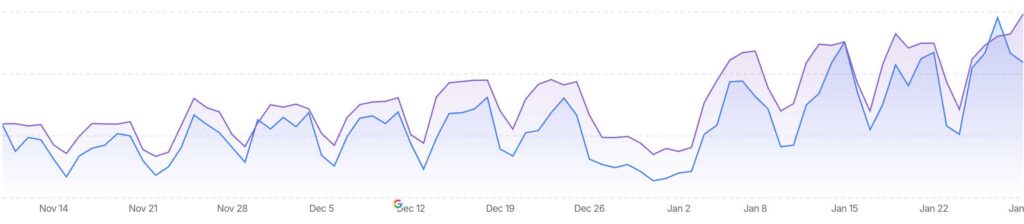
Measurement compared the 7 days immediately before implementation vs. the most recent 7 days. The site published no new articles after implementation, helping isolate the impact of the FAQ layer.
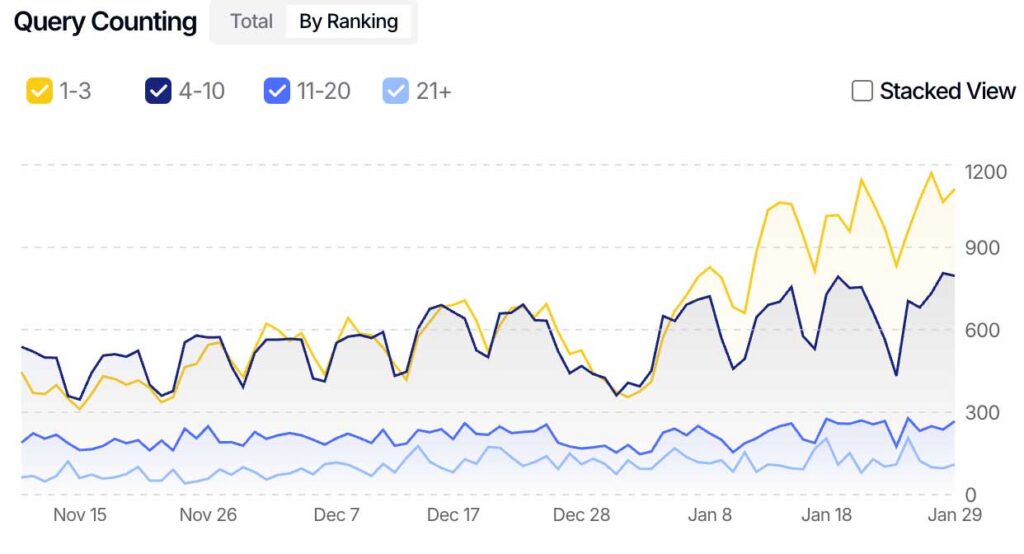
Query count by ranking position — Nov 2025 to Jan 2026
Why it worked
This wasn’t about chasing a trick. The site already had authority—proven by consistent long-tail rankings.
The problem wasn’t quality. The problem was coverage.
AIVG improved coverage in two compounding ways:
1. Captured adjacent intents (query fan-out)
Pages began matching more specific searches that were previously “close, but not explicit.”
2. Created consistent, machine-readable Q&A structure
The Q&A format is simple for both users and search systems to parse, summarize, and match to intent—especially with FAQPage structured data.
The site didn’t become “better.” It became more complete—at scale.
What this means for your site
If your site already ranks well for long-tail queries, you’re sitting on a powerful foundation.
But that foundation has a ceiling unless you systematize two things:
- Explicit Q&A coverage for adjacent queries
- Repeatable structure that doesn’t depend on manual effort
That’s what AIVG is designed to do: make query fan-out coverage operational—without turning your editorial workflow into a markup project.
Next steps
If you suspect your best pages are still leaving long-tail demand on the table, let’s find out.
We’ll review a sample of your pages, identify likely query fan-out gaps, and show you how a scalable FAQ layer could capture that demand—without adding editorial overhead.
Frequently Asked Questions
- Q.What is AI Visibility Guard (AIVG) and how does it work?
- A.AIVG is an automated tool that extracts likely follow‑up questions from each page, generates concise answers from the page content, and publishes them as structured FAQPage data for search engines.
- Q.How did the Japan-based labor law firm benefit from using AIVG?
- A.Within about two months, the firm saw organic clicks and impressions double without publishing new articles, because the added FAQs captured the previously missing “query fan‑out” traffic.
- Q.What problem does the “invisible gap” or “query fan‑out” refer to?
- A.It’s the set of follow‑up questions users ask after the core query; even if a page ranks for the main topic, it often fails to answer these adjacent queries, leaving potential traffic untapped.
- Q.Why is manual FAQ creation across hundreds of pages impractical?
- A.Maintaining a separate FAQ section for each page is labor‑intensive and doesn’t scale, so automating the process ensures consistency and coverage without manual per‑page work.